Partners









Nestled in the Chiang Mai province, Doi Inthanon—Thailand’s highest peak—offers an unparalleled combination of breathtaking landscapes, rich cultural heritage, and agricultural treasures. Known as the “Roof of Thailand”, this region is a haven for eco-tourists and coffee enthusiasts alike. At the heart of this thriving ecosystem lies the Karen tribe (also known as Kayin), whose sustainable practices in coffee cultivation and agriculture have gained international recognition.
In this article, we’ll explore the Doi Inthanon coffee plantations, the unique traditions of the Karen people, and the wide variety of products cultivated in this picturesque region. We’ll also dive into why Doi Inthanon is a must-visit destination for travelers seeking authenticity and eco-conscious experiences.
Doi Inthanon is much more than Thailand’s highest mountain—it is a testament to the country’s ecological and cultural diversity. This lush region features dense forests, cascading waterfalls, and tranquil villages that seem untouched by time. For coffee lovers, the Doi Inthanon coffee plantation is a highlight, offering tours that showcase the intricate process of growing, harvesting, and processing premium Arabica beans.
What makes Doi Inthanon truly unique is its role as a sanctuary for the Karen tribe, who have lived harmoniously with the land for generations. Their dedication to organic farming and respect for nature is evident in the high-quality products they cultivate, from coffee to handcrafted textiles.

The Karen people, indigenous to the region, are integral to the preservation of Doi Inthanon’s environment. Their agricultural expertise dates back decades and was further honed during the 1970s, when government initiatives encouraged them to replace opium farming with coffee cultivation.
For the Karen, coffee represents more than a cash crop—it symbolizes their commitment to sustainability and community development. Today, the Doi Inthanon coffee plantation produces some of Thailand’s finest Arabica beans, thanks to the region’s high altitude and cool climate.
The Karen tribe employs shade-grown techniques, allowing coffee plants to thrive under the forest canopy. This method not only enhances the coffee’s flavor profile but also protects biodiversity by preserving natural habitats.
Several factors contribute to the exceptional quality of coffee from Doi Inthanon coffee plantations:
Whether you prefer a smooth, nutty flavor or a vibrant cup with floral notes, Doi Inthanon’s Arabica beans are a treat for the senses.
While coffee is the star, the Karen people cultivate an array of crops that thrive in the region’s fertile soil:
These diverse products reflect the Karen’s resourcefulness and deep connection to the land.
The success of the Doi Inthanon coffee plantation and other agricultural ventures lies in the Karen people’s dedication to quality and sustainability. Here’s how their products reach consumers:
Doi Inthanon is a prime destination for eco-tourism, offering activities that combine natural beauty with cultural immersion.
Activities to Enjoy
These experiences not only enrich your understanding of Thai culture but also contribute to the local economy.
Doi Inthanon is captivating year-round, but certain seasons bring unique opportunities:
By visiting Doi Inthanon coffee plantations and purchasing local products, you play a role in empowering the Karen community. Many eco-lodges and farm tours are run directly by Karen families, ensuring that profits go toward education, healthcare, and community development.
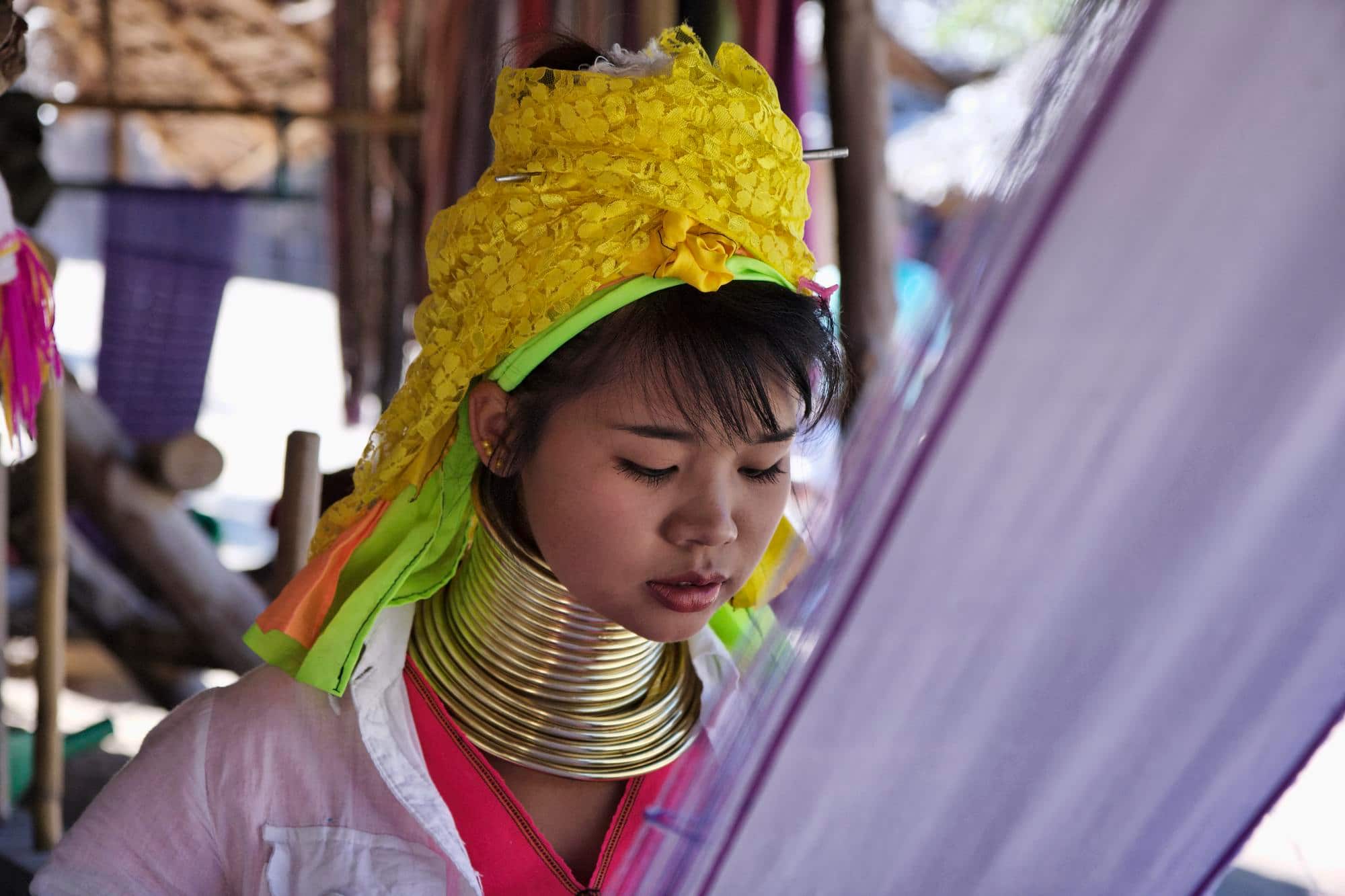
For the Karen people, coffee is more than a means of livelihood; it is an integral part of their identity and cultural heritage. Over the decades, coffee cultivation has provided a sustainable alternative to practices like opium farming, which previously caused social and environmental harm.
In Karen villages, coffee often serves as a focal point for community gatherings. Traditional ceremonies involve roasting beans over an open flame, grinding them by hand, and brewing coffee in small clay pots. These rituals are not just about enjoying a cup of coffee but are moments of connection that bring families and neighbors together.
Karen elders play a crucial role in educating the younger generation about sustainable farming practices. From teaching soil preservation techniques to demonstrating the art of shade-growing coffee, this transfer of knowledge ensures that the community’s agricultural traditions are preserved for future generations.
The production and sale of Doi Inthanon coffee empower Karen farmers, allowing them to achieve financial independence and invest in essential infrastructure like schools and medical facilities. By focusing on organic and fair-trade principles, the Karen community has built a reputation for ethical, high-quality coffee that attracts both domestic and international buyers.
This symbiotic relationship between coffee and culture underscores the importance of supporting initiatives like the Doi Inthanon coffee plantation. It’s a reminder that every cup of Karen coffee contributes to preserving a way of life that is deeply intertwined with the natural world.
Ready to experience the wonders of Doi Inthanon coffee plantation and immerse yourself in the Karen tribe’s rich traditions? Contact Monkey Travel Asia to book your personalized tour today. Taste the finest coffee, explore the breathtaking landscapes, and connect with a culture deeply rooted in sustainability.
